Violet Antaka is a literary fiction novel with a space opera adventure, themes from Japanese literary traditions, and Buddhist parables. This novel trusts the reader to understand or uncover more depth upon further readings. In doing so your reading experience will become individualized and may challenge you to look beyond that which is written.
Features of Violet Antaka include science fiction, novel technology, human augmentation, findings one’s self-identity, the exploration of one’s purpose, Buddhist parables, and political crises.
Plot Synopsis
The day came when Luna reunites with the rays of the sun. On this day the people who live on Luna celebrate with matsuri, but Violet looks on from the top of a tower held behind the walls of the government that manages the precarious state of human settlement in space – the Sol Alliance Nexus (SAN) – to which she is bound by ascribed duty. The contentment Violet feels during the days spent flouting SAN with her closest friend and confident, Kibou, shatter when SAN presses her into service as the only representative of the government not tainted by past decisions. However, Violet’s perceived emptiness lies in tension with the militant agitators from Mercury and Venus destabilizing the few mineral and food supply chains holding humanity up among the stars. Violet’s reluctance floats along until the confluence of ideology, simmering anti-human augmentation sentiment, popular frustrations, and governance failures compel her into a fateful decision that forces her to decide who she will become, what her story will be, and who she is in a world bucking against Fate itself. Violet can only rise to purpose, reunite humanity and cease the wheel of karma, by accepting the fact that “I do not exist.”
Major Science Fiction Themes
Consider how human settlement in space could actually proceed. Enduring the lack of breathable air, fertile soil, protection from radiation, and prolific space junk will require civilization to overcome unprecedented engineering challenges and new logistics. On top of that, in Violet, the Earth is walled off from the Sol Alliance Nexus (SAN) by a shell designed to conduct global ecological restoration. This split among humanity effectively makes SAN the thinnest barrier between survival for humanity in space and an unprecedented civilization collapse – worse than the Bronze Age Collapse by far. Violet also engaged with the trouble of unity among a society spread out among the planets from Mercury to Jupiter – years of travel time and communication delays of hours. This is to say nothing of the ideological division among those humans with trans-humanist augmentations and those without. With all this in mind Violet has one central crisis that shatters that thin barrier managed by SAN: what happens if the food production shuts down?
Major Buddhist Themes
How would you save those stuck inside a burning home who cannot fathom the fire? One of the most well-known of the Buddhist parables is The Parable of the Burning House. In Violet this parable is invoked to capture Earth’s and humanity’s perilous position and the purpose to which Violet must rise. That is not the end to the role of Buddhism in Violet or the various literary elements. Saṃsāra is a central Buddhist principle and its cessation is a purpose for which the bodhisattva of wisdom deploys a ‘wrathful’ form. To this, how can you end a war without drawing blood? At that point does engagement in a chaotic world necessitate such a form capable of subduing the deity of death itself? Read more about the Buddhist themes, and other inspirations, present in Violet Antaka here.
Elements from Japanese Arts
The novel Violet Antaka takes inspiration from Japanese literary fiction, Japanese culture, and forms of Japanese artistic expressions. The world of the Sol Alliance Nexus is not only a fusion of cultures set in the near future, but is predicated on a strong infusion of Japanese features. The rhythm and momentum of the novel follows a pace known as Jo-Ha-Kyū as the literary novel structure of Kishōtenketsu which breaks from the structure of western novels and can de-emphasize conflict as the force behind the plot. Of the most importance is Yūgen, a Japanese aesthetic about what exists behind the veil. Yūgen is much more than concealing a subject, rather, it is a way to focus on the possibilities and potential that exist beyond the veil.
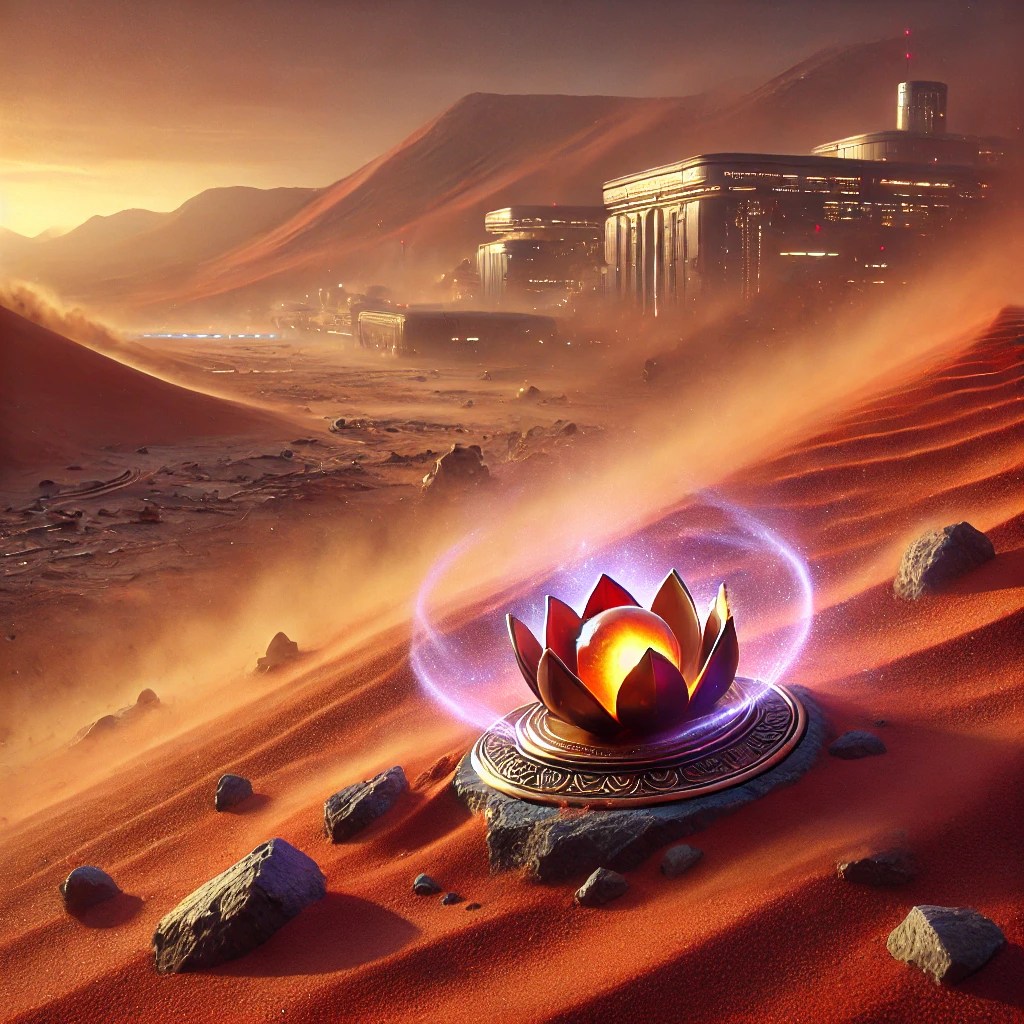
“Your eyes reveal a story, is that story your own?”
Follow Violet on her journey across the solar system and rise to purpose in the turbulent era of humanity in space rocked by populist insurgency and impending starvation. To become a shooting star of hope, how low must you fall?
The story of Violet Antaka, the themes within, and the way in which it was written strike a balance between the deep philosophical, ideological, or religious motivations of complex characters and the expectations of the reader for a relatable and understandable science fiction adventure. While you certainly do not need advanced study in these elements of literary fiction this novel may challenge you to reconcile with examining characters and events from unconventional perspectives.
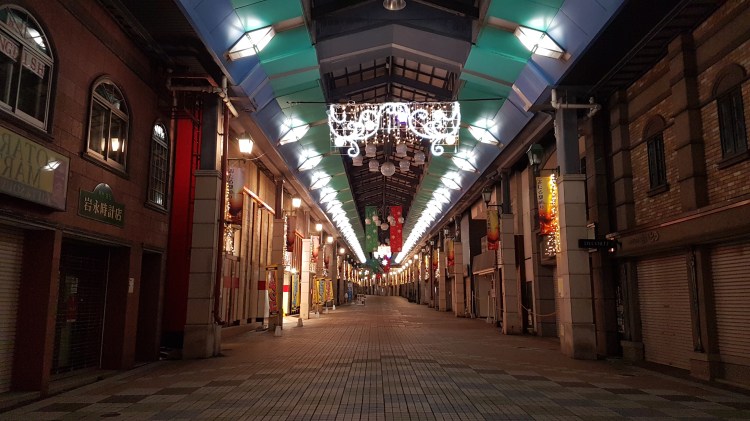
“Earth is a home of symbols, are those symbols immutable?”
Visual Expression of Violet Antaka
The author invites readers to respectfully express their reading of Violet Antaka in their own ways. Feel free to tag @LotusMonogatari on platforms to share your work.
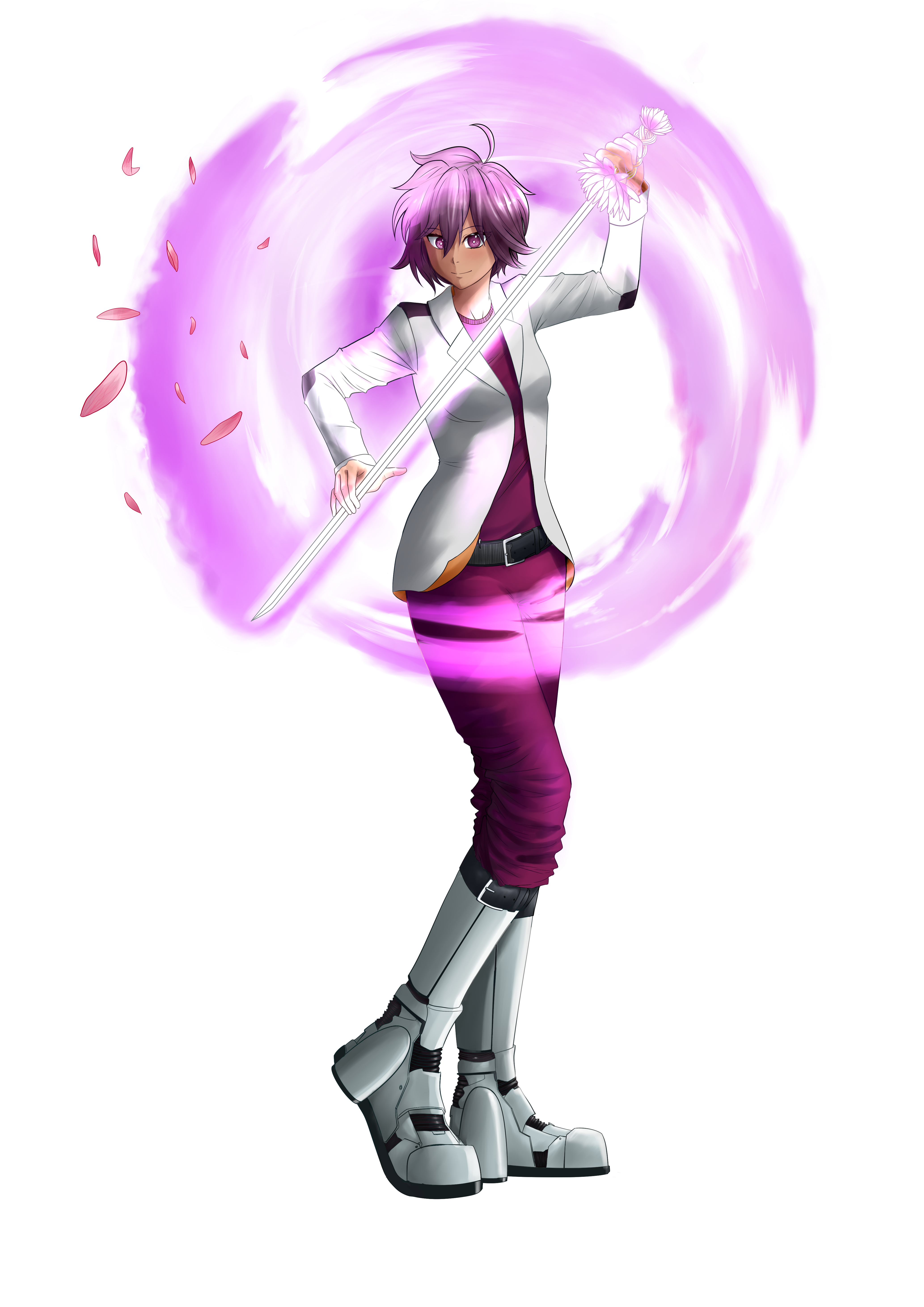
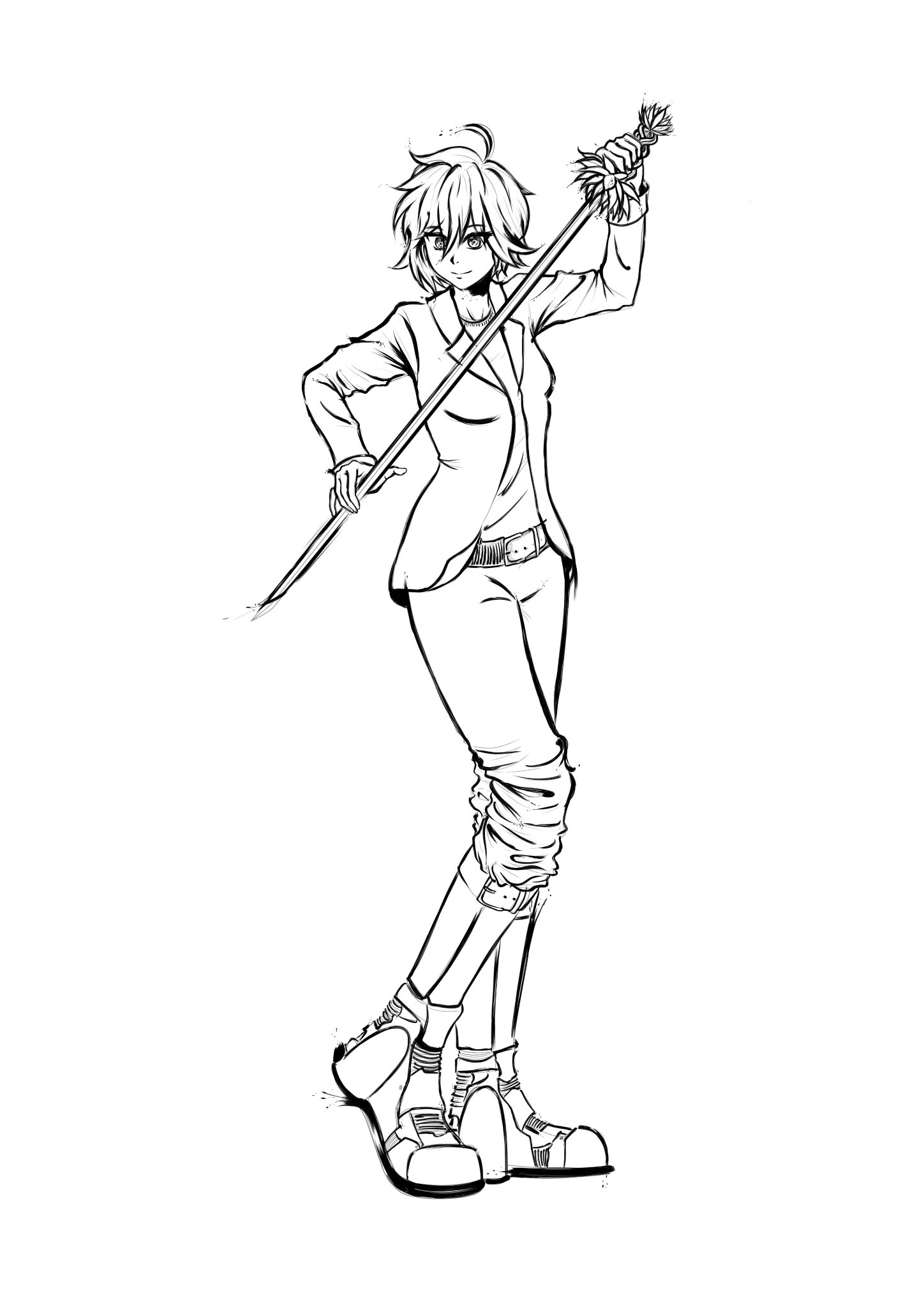
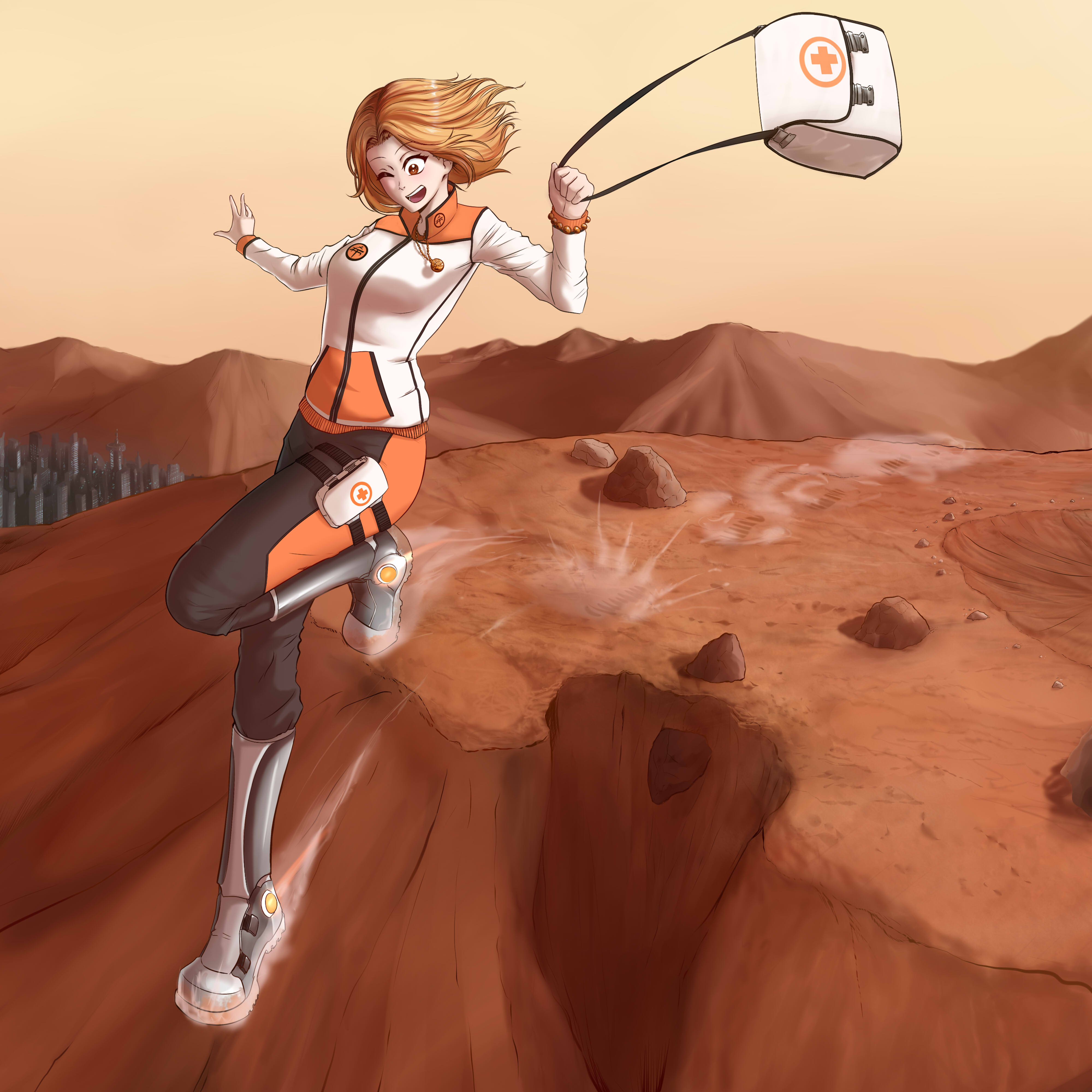
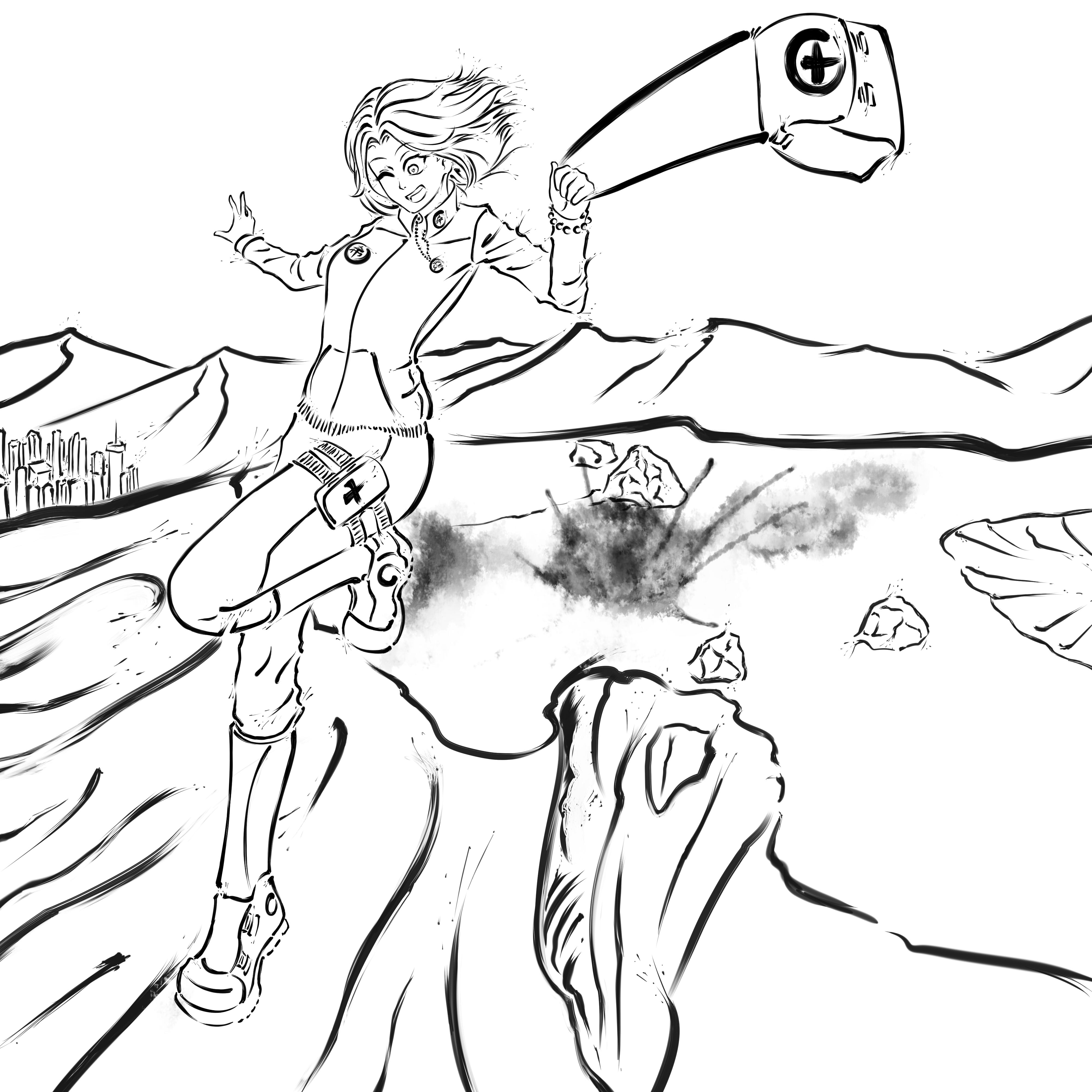
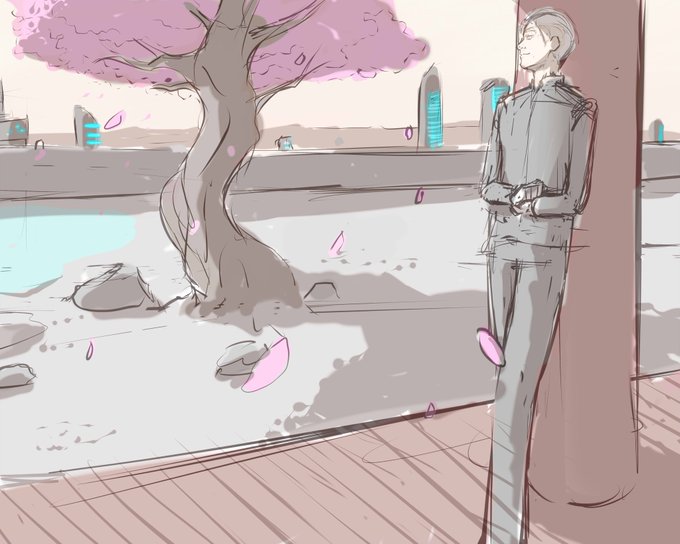
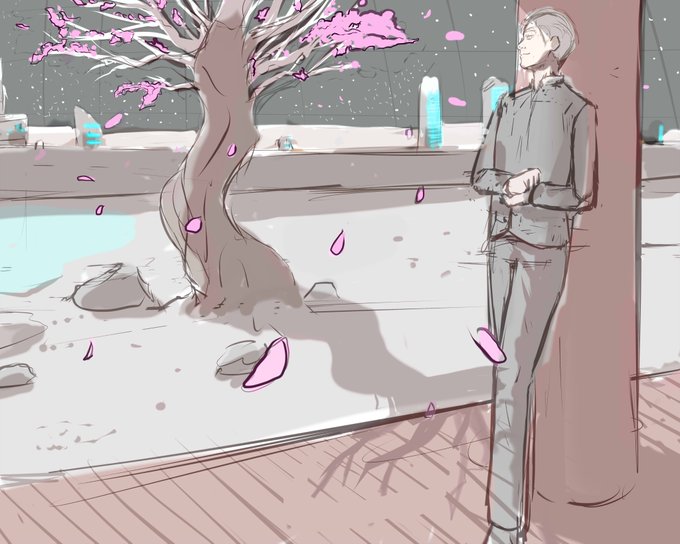
The following are several examples of concept art during the creation of Violet Antaka.